Collagen vs. Protein Powder: Which is Best for You?
Skin, joints, muscles, recovery—protein supplements are everywhere.
From collagen peptides in coffee to whey shakes after workouts, today’s wellness culture is rich in options. But with so many choices, it’s easy to wonder: Do I need collagen, protein powder, or both? And what does the science actually say?
The good news? Research supports meaningful benefits for both collagen and protein powders—as long as you choose them for the right reasons. Rather than competitors, these supplements serve different but complementary roles in the body.
Let’s break it down…
Collagen: The Structural Protein
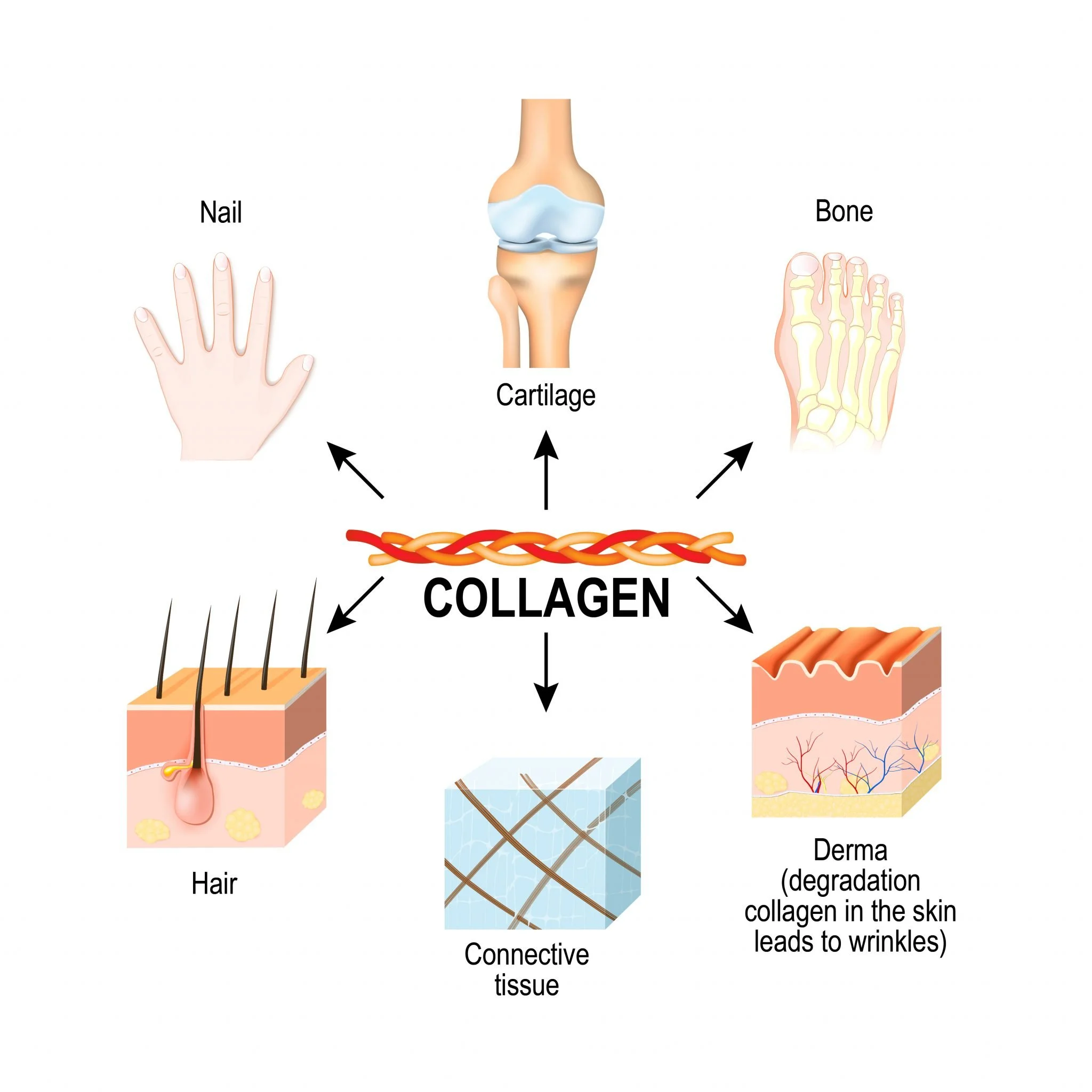
Collagen is the most abundant protein in the human body, providing structure to skin, joints, bones, tendons, ligaments, and connective tissue.
While collagen is a protein, it is not a complete protein, meaning it does not contain all nine essential amino acids.
What Makes Collagen Unique?
Collagen is especially rich in three amino acids: glycine, proline, and hydroxyproline. These amino acids are critical for maintaining connective tissue, supporting joint comfort, and preserving skin integrity.
Types of Collagen in the Body
• Type I: Skin, bones, tendons, ligaments (≈90% of body’s collagen)
• Type II: Cartilage and joint cushioning
• Type III: Skin, muscles, blood vessels, and organs
Forms of Collagen Supplements
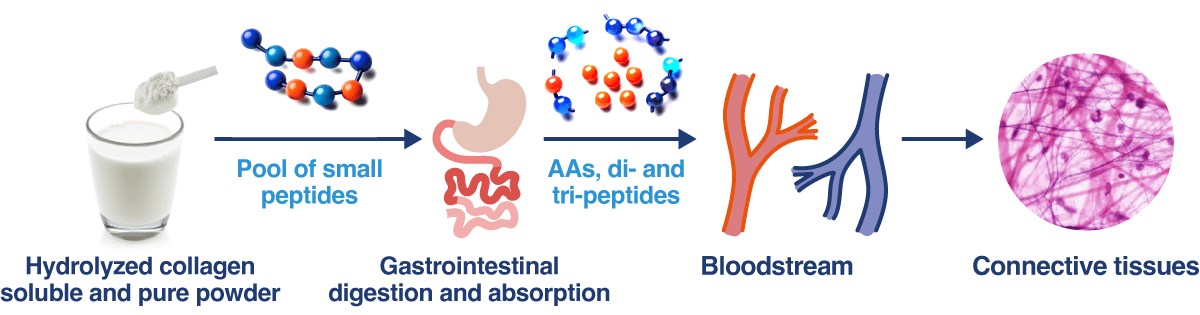
• Hydrolyzed collagen (collagen peptides): Broken into small peptides for easy absorption. Small clinical studies show some small improvements in skin hydration, elasticity, and wrinkle appearance after 8–12 weeks, typically at doses of 2.5–10 g/day.
• Vegan “pro-collagen” formulas: These do not contain collagen itself but provide amino acids and cofactors (like vitamin C) to help the body produce its own collagen.
What the Evidence Supports
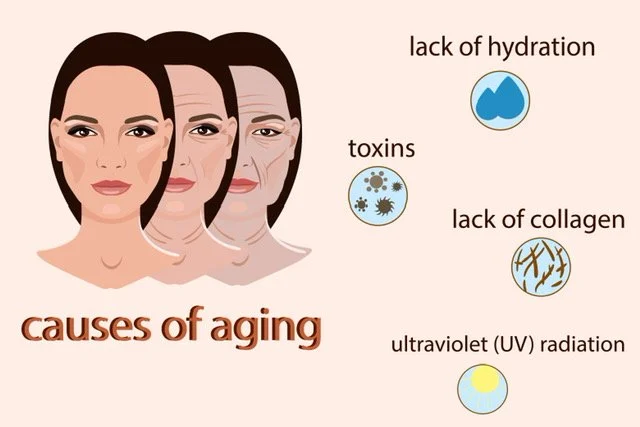
✔ Moderate evidence for skin hydration and elasticity
✔ Stronger evidence for joint comfort and mobility, especially with specific collagen types
✔ Limited but promising data for nail strength
✖ Little convincing evidence for hair growth or thickness
Importantly, collagen is well tolerated, gentle on digestion, easy to dissolve in liquids, and heat-stable—making it easy to add to coffee, smoothies, soups, or baking.
Protein Powder: The Muscle Builder
Protein powders—such as whey, casein, soy, pea, and blended plant proteins—are designed to deliver a complete amino acid profile, including all nine essential amino acids your body cannot make on its own.
Why Protein Matters
Protein supports:
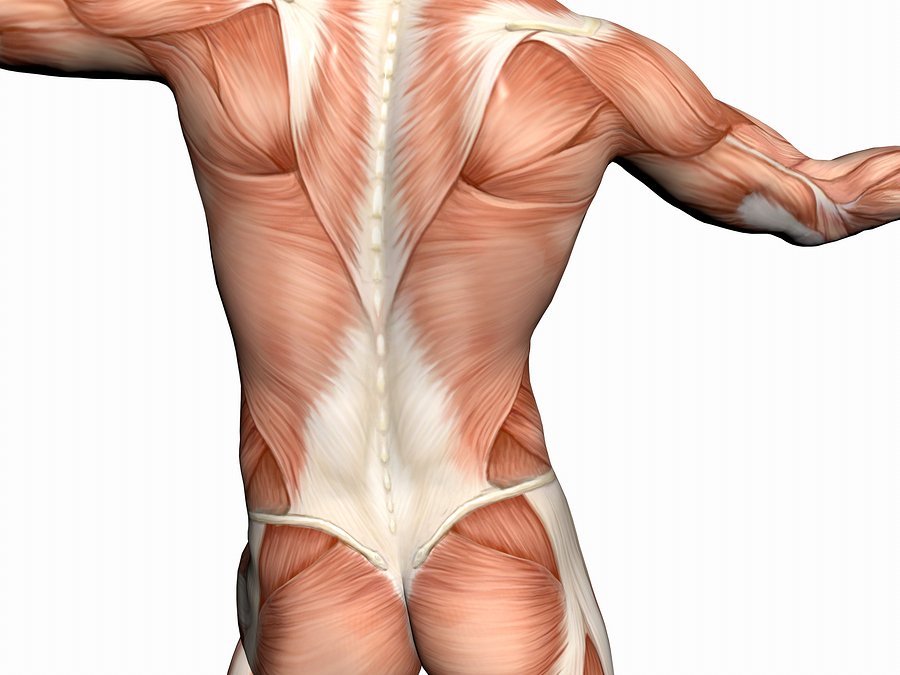
• Muscle growth and maintenance
• Tissue repair and recovery
• Immune function
• Enzyme and hormone production
Popular Protein Types
• Whey protein: Fast-digesting, rich in leucine and BCAAs, effective for muscle synthesis yet contains inflammatory dairy-derived components.
• Casein: Slow-digesting, often used overnight for sustained amino acid release. Also contains inflammatory dairy-derived components.
• Soy protein: A complete plant protein, effective for muscle synthesis.
• Pea protein: High in leucine and lysine, well tolerated, often blended with other plant sources like rice and hemp proteins, effective for muscle synthesis.
• Egg white protein: Dairy-free, high quality, some inflammatory components

Who Benefits Most?
Protein powders are especially helpful for:
• Active individuals and athletes
• Older adults preserving muscle mass
• Anyone struggling to meet daily protein needs through food alone
General guidelines suggest at least 0.8 g of protein per kg of body weight daily (0.36 g per pound of body weight), with higher needs for physically active people.

Collagen vs. Protein: It’s Not Either/Or
One of the biggest myths is that you must choose between collagen or protein powder. In reality, they work best together when used appropriately:
Goal Best Choice
Muscle growth & strength Protein powder
Post-workout recovery Protein powder
Skin hydration & elasticity Collagen
Joint & connective tissue support Collagen
Digestive sensitivity Collagen
Total daily protein intake Protein powder + collagen
Collagen contributes to daily protein intake but should not replace complete protein sources if lean muscle building is a goal.

What the Science Says (Without the Hype)
Scientific reviews agree on a few important points:
• Collagen is broken down into peptides and amino acids during digestion—it does not directly become skin or hair.
• Benefits likely come from nutritional support and cellular signaling, not “collagen inserting itself” into tissues.
• Many collagen studies show modest benefits, not dramatic transformations.
• Some research is industry-funded, so results should be interpreted carefully.
Still, when used consistently and realistically, collagen can be a valuable part of a long-term wellness routine.

So, Which Should You Take?
Ask yourself:
• Want stronger muscles or better workout performance? → Choose protein powder
• Want to support skin, joints, and connective tissue? → Choose collagen
• Want comprehensive support? → Use both
As always, talk to me or another healthcare professional before changing your supplement routine—especially if you have medical conditions or dietary restrictions.