GLP-1 AGONISTS & YOUR METABOLIC HEALTH
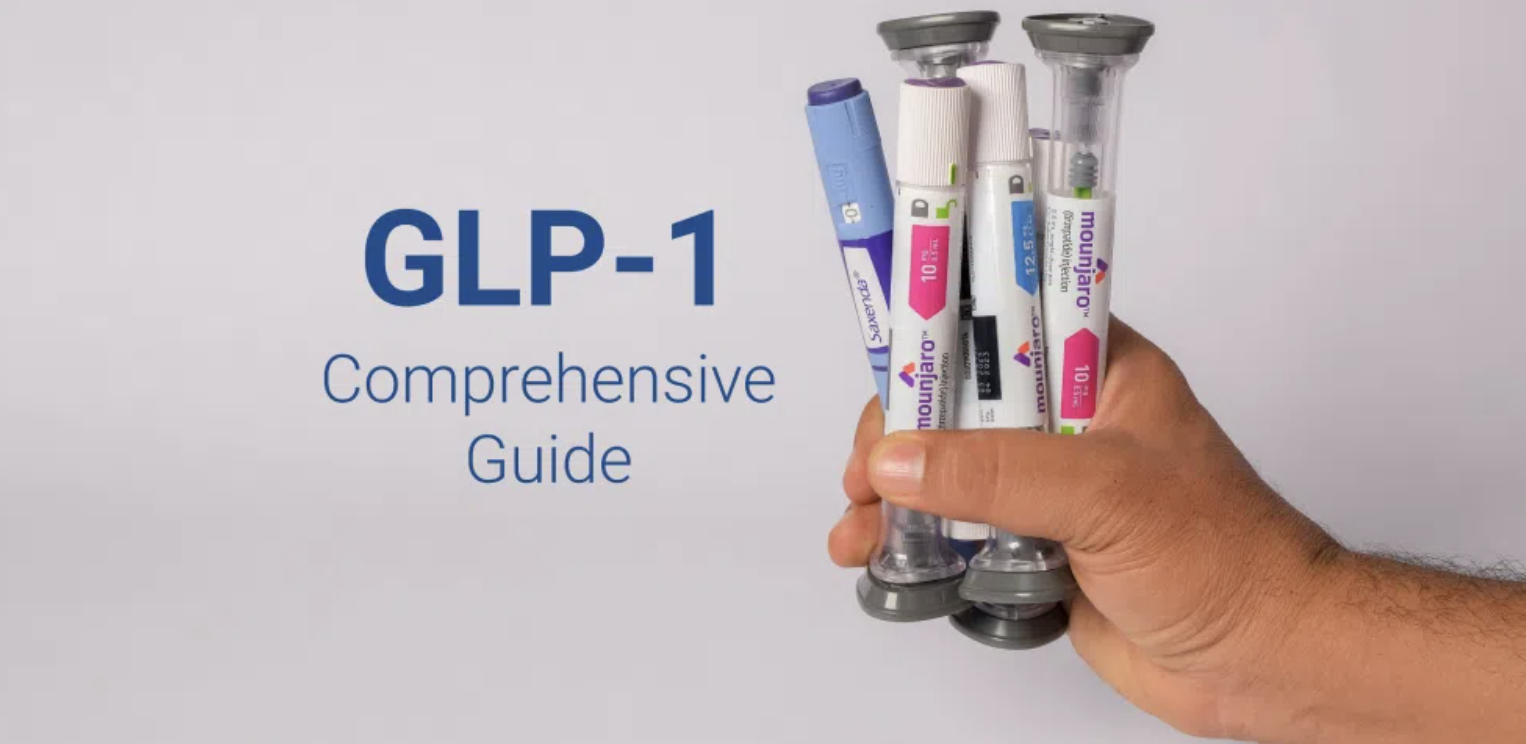
What We’re Learning About GLP-1s
Over the last few years, GLP-1 medications have moved from quiet clinical tools to household names. But here’s the real story: GLP-1s aren’t shortcuts—they’re signals. They reveal what happens when biology and behavior fall out of sync, and more importantly, how to bring them back into balance.
I’ve worked with many clients either taking these medications or wanting to wean themselves off of them. To help illuminate their path, let’s dive into the proven science of these seemingly Wonder Drugs.
Why Are So Many People Using GLP-1 Medications?
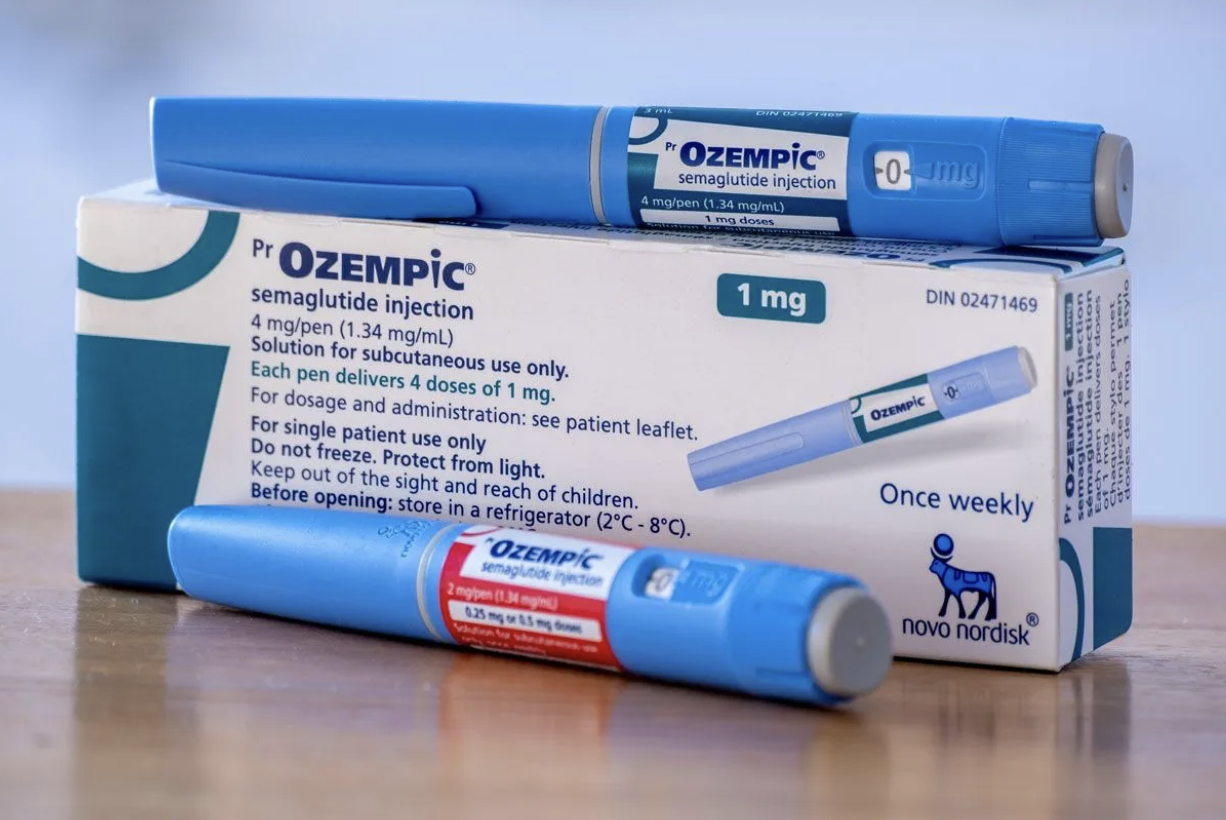
I see people who look totally healthy taking Ozempic. Why?
Because looking healthy and being metabolically healthy aren’t the same.
In wellness coaching, we move away from using weight alone as a health marker. “Weight Health” is a reflection of fat, muscle, bone, water, and metabolic function—not appearance or a single number on the scale.
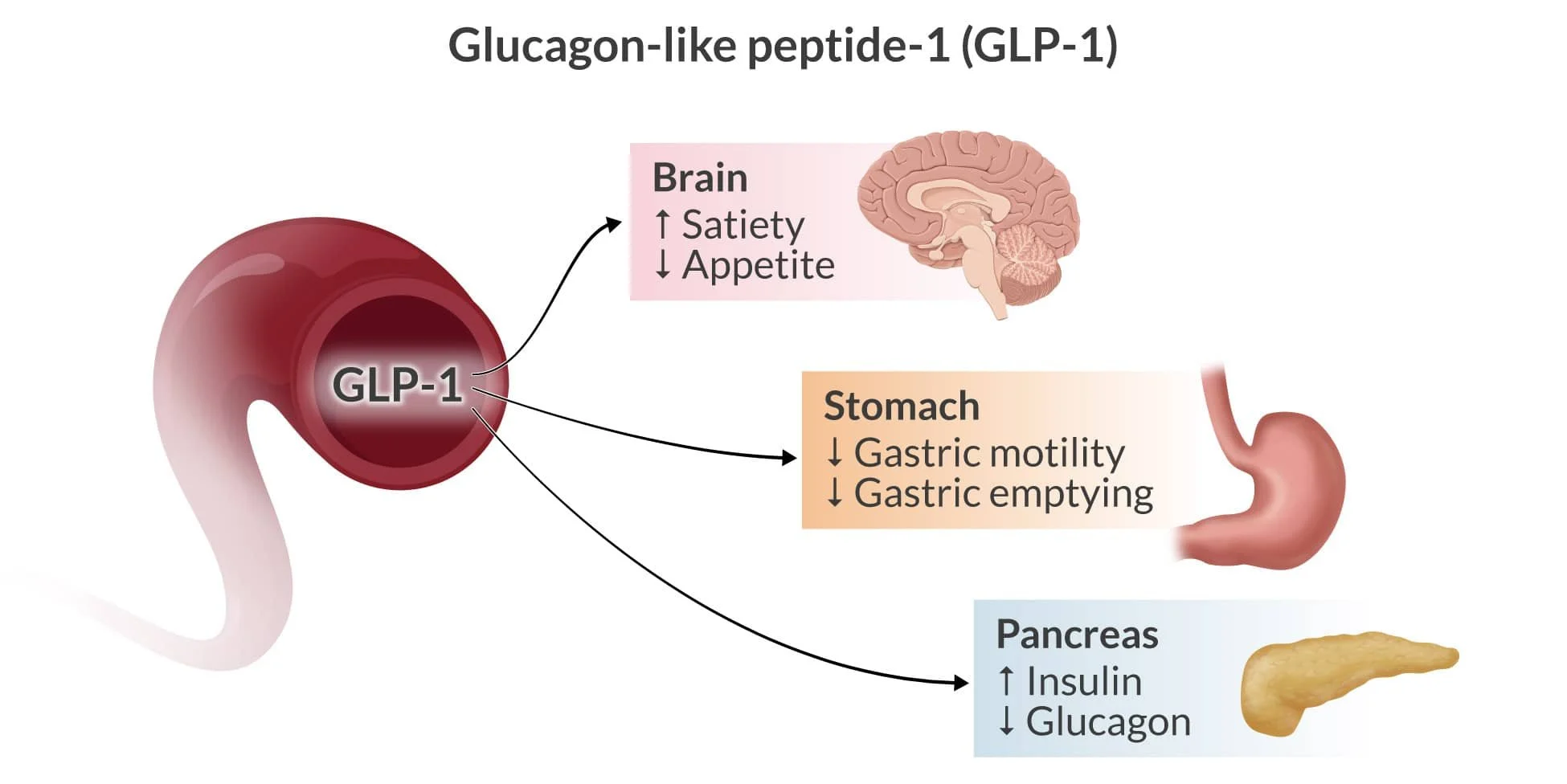
GLP-1, GIP, PYY, and CCK are hormones that regulate appetite, body composition, blood sugar, hydration, digestion, and more. When these hormones aren’t functioning properly, Weight Health becomes impaired—even if a person appears “normal.”
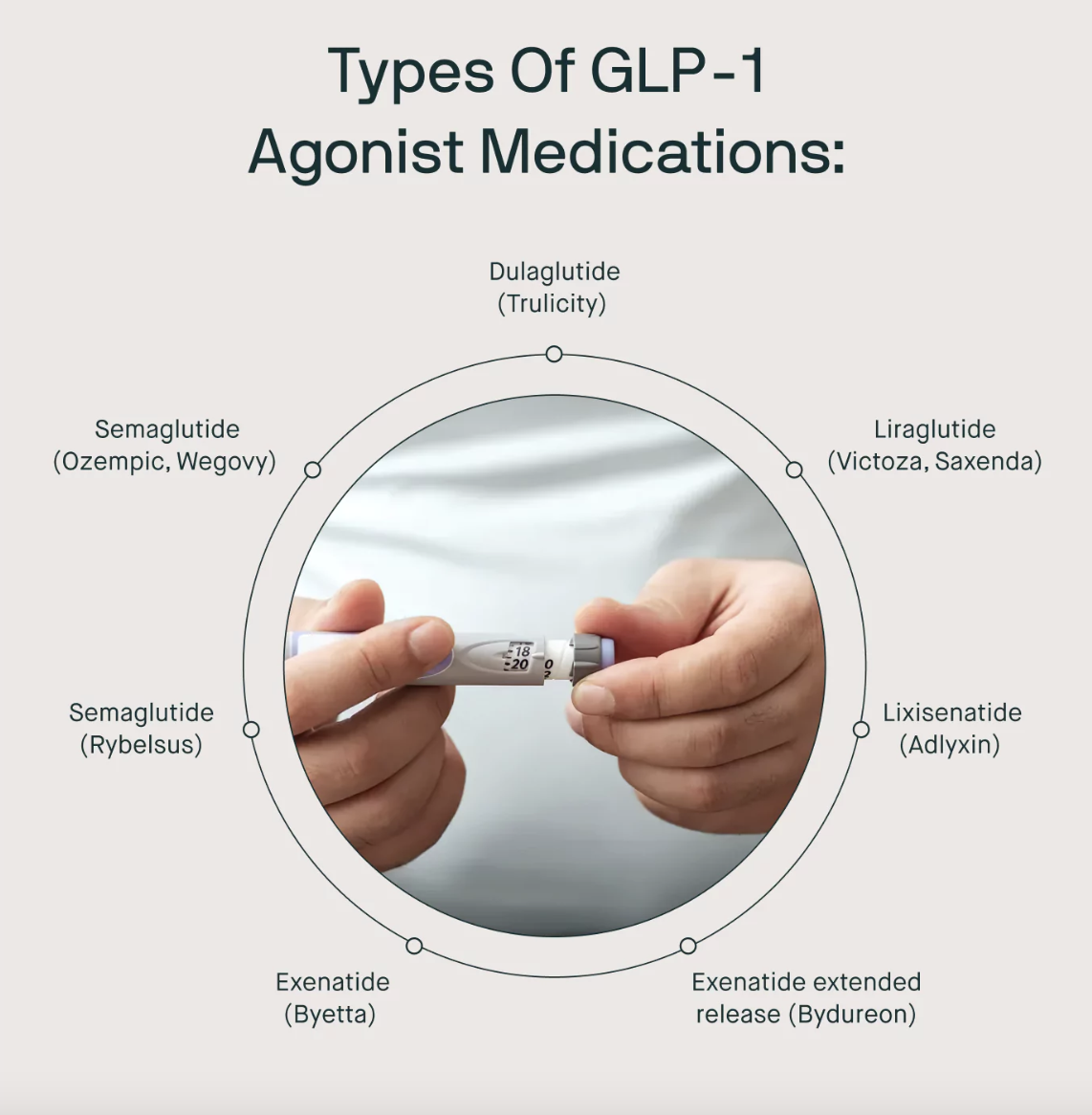
GLP-1 medications like Ozempic, Wegovy, and Zepbound act as hormone replacements that stay active 24/7 (unlike natural GLP-1, which works for just a few minutes). People may choose them for:
Support with persistent metabolic dysfunction
Blood sugar stabilization
Reduction of visceral fat
Lower inflammation
Better appetite regulation and reduced “food noise”
Treatment of diabetes or sleep apnea
But medication is a tool—not the solution. Long-term success requires optimizing your own internal and environmental Weight-Health ecosystem.
Understanding the Risks (Real Ones, Not Headlines)
1. “Do I have to stay on them forever?”
Not necessarily—but you might unless the root causes of metabolic dysregulation are addressed. These medications can suppress natural hormone production, especially at higher doses. Coming off without a personalized plan often leads to weight regain.
A well-designed approach involves:
Gradual dose changes
Monitoring muscle mass, digestion, nutrient status
Rebuilding healthy hormone function
Lifestyle strategies to maintain results after discontinuation
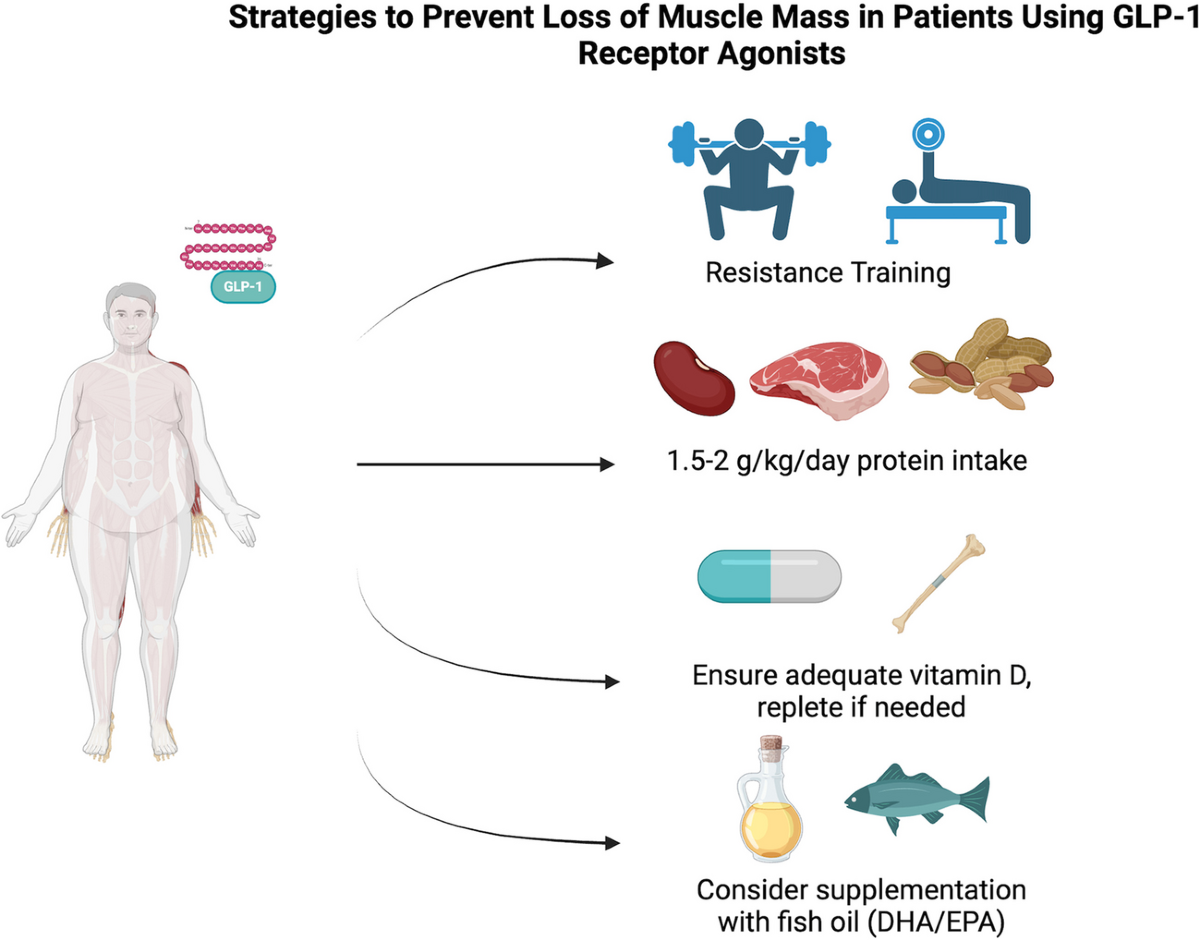
2. “Do GLP-1s cause muscle loss or hair loss?”
Not directly. These issues typically happen when:
Protein intake is too low
Digestion is impaired
Nutrients are imbalanced
Strength training is inadequate or mismatched
Recovery is insufficient
A personalized nutrition and fitness plan prevents these problems. For my clients taking these meds, I recommend a body composition scan before starting GLP agonists, and monitoring throughout treatment.
3. “What about scary side effects—eye strokes, thyroid cancer, or ‘frozen stomachs’?”
These headlines often lack context. Some risks are associated with individual pre-dispositions or pre-existing digestive issues. What’s essential is:
Starting at the right dose
Monitoring digestion, nutrient levels, heart rate variability
Adjusting based on your body’s signals
Working with a practitioner who follows you consistently
When personalized care is in place, most people use these medications safely.
Stopping GLP-1s: Why Regain Happens
Weight regain is likely if the body’s hormone ecosystem hasn’t been restored. It’s similar to stopping a statin—if you don’t fix the underlying issue, the symptoms return.
Patients, practitioners, and companies all share responsibility in making sure users understand:
How to maintain results
What supportive nutrition and lifestyle changes matter most
When to seek personalized assessment
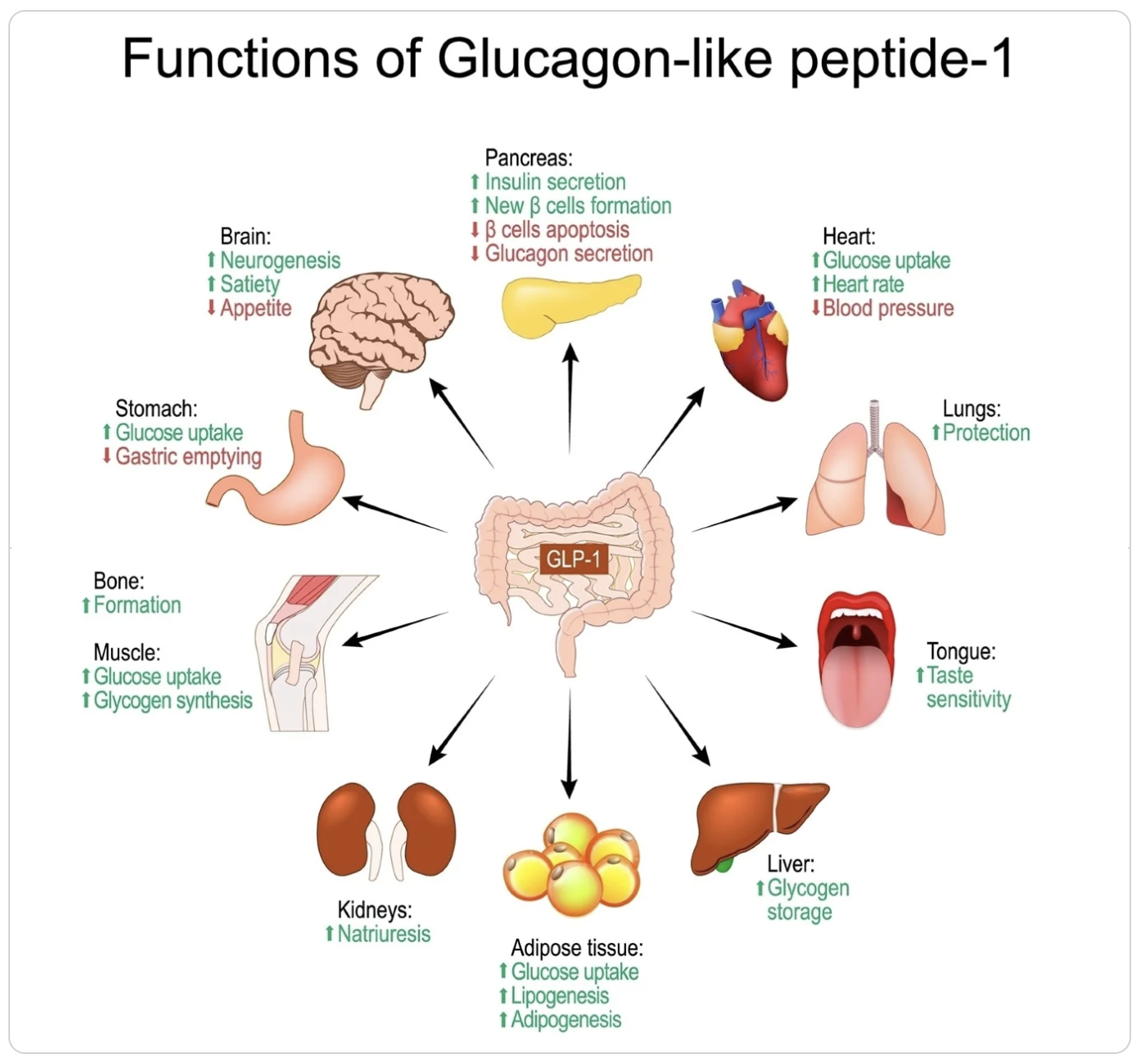
If you plan to stop GLP-1 therapy, don’t do it suddenly. Work with your healthcare provider or someone like me to create a weaning or maintenance plan. Clearly these hormones affect LOTS of systems in your body, as shown below:
How Long Can You Stay on GLP-1s?
No one has a crystal ball, but here’s what we know:
These medications are biosimilar, meaning they mimic—but don’t match—our natural hormones.
They change metabolic function over time, producing both benefits and challenges.
Some people experience fatigue related to decreased heart-rate variability because the medication keeps the body “switched on” rather than allowing full rest-and-digest recovery.
Others experience major improvements in mental health, food relationships, or sleep quality.
Long-term use is possible for many, but it requires personalization and ongoing monitoring.
The Big Picture: An Inflection Point in Metabolic Health
We’re at a moment of massive potential. GLP-1 medications have shown us:
How essential Weight-Health hormones truly are
Why personalized care—not generic dieting—is the future
How metabolic health is about systems, not numbers
Why supporting hormone balance benefits everyone, medicated or not
With better assessments, personalized plans, and updated lifestyle recommendations, we can build lasting, generational weight health.
And honestly? That’s pretty incredible.

If you’re taking (or are hoping to wean off of) GLP agonists, let’s put together a plan that will maintain and enhance your health over the long term. Email me HERE and let’s chat!
Give the Gift of VIBRANCE this holiday season! Gift Cards are available for any of my programs HERE!
And use code HOLIDAY20 for 20% off any of my programs until December 30th! I’m here to help you navigate the holidays in a way that supports your well-being, so you can enjoy the season without losing the progress you’ve worked so hard for.