You crushed your workout this morning. Then you sat at your desk for eight hours, sat in the car, and sat on the couch. Sound familiar?
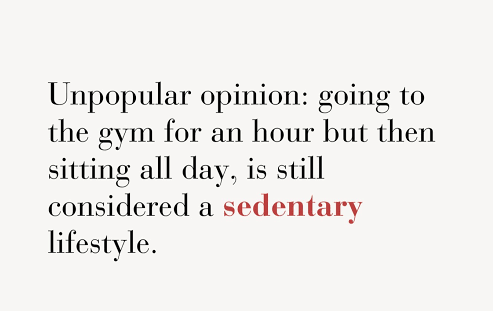
Here’s the uncomfortable truth: one hour at the gym can’t fully cancel out the other 14 waking hours you spend sitting. Researchers have even coined the term “active couch potato” for people who exercise regularly but are otherwise sedentary for most of the day. A 2014 Mayo Clinic Proceedings study found that 2 hours of sitting canceled out the fitness benefits of 20 minutes of exercise.
The good news is you don’t need more willpower or more gym time. You need a Movement Environment: a home and workday set up so that movement happens automatically, in small doses, all day long.
Why Everyday Movement Matters
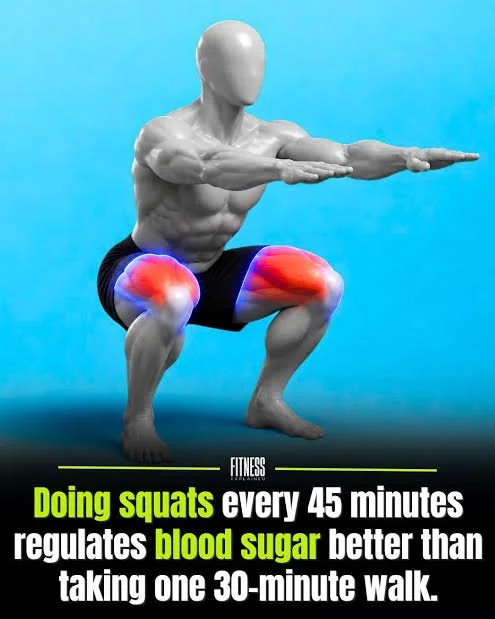
Metabolism. Much of the calories you burn each day come from non-exercise activity: walking, standing, fidgeting, carrying things, taking stairs. Researchers call this NEAT (non-exercise activity thermogenesis), and it can differ by hundreds of calories per day between people. Frequent movement also keeps your muscles working to pull glucose out of your bloodstream, which helps keep blood sugar and insulin steadier.
Body composition and fat loss. More daily movement means a higher total energy burn without the fatigue or recovery cost of extra hard workouts. Add strength-based movement like squats, lunges, and carries, and you signal your body to hold on to muscle while you lose fat.
Cardiovascular health. Long stretches of uninterrupted sitting are linked to higher risk of heart disease, high blood pressure, and unhealthy cholesterol and blood sugar. Regularly interrupting sitting with even a minute or two of movement improves circulation and helps blunt blood sugar spikes after meals.
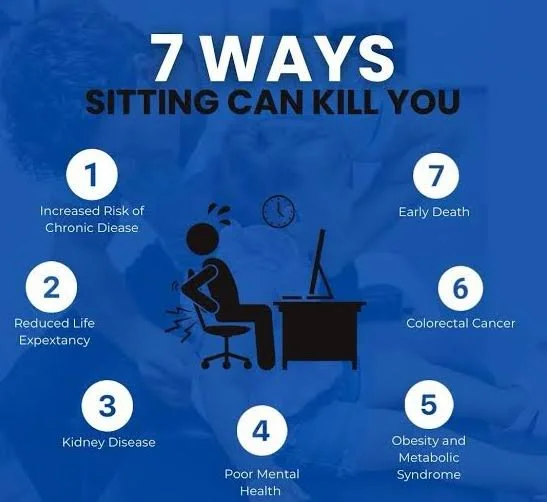
“Sitting is the new smoking.” It’s a catchy line and a bit of an exaggeration, but the underlying research is real: large studies link high total sitting time to increased risk of early death, type 2 diabetes, and cardiovascular disease, even among people who exercise.
Joint health, posture, and back pain. Sitting for hours tightens hips, weakens glutes, and rounds shoulders. Moving through full ranges of motion throughout the day keeps your joints lubricated and your posture stronger.
Energy, focus, and mood. A quick movement break increases blood flow to the brain, which can cut the afternoon slump and sharpen concentration. Many people also find it relieves stress.
Healthy aging. Strength, balance, and mobility are what keep us independent as we age. Daily movement is practice for the lifestyle you want at 70 and 80.
5 Ways to Make Movement Part of Your Day
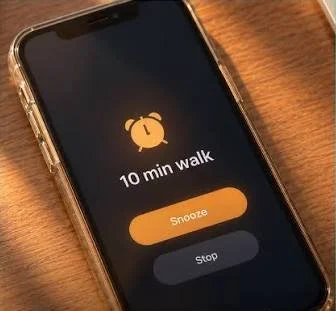
1. Set an hourly movement alarm
Set your phone to go off every hour. When it does, stand up and do 10 air squats, 10 lateral lunges, 10 push-ups, or 10 band pull-aparts with a resistance band you keep at your desk. It takes about 60 seconds, and over an 8-hour workday that’s 80 reps of something good for your body, plus eight breaks from your chair. Keeping the band visible on your desk makes it an easy habit to follow through on.
2. Brush your teeth like it’s a workout
You’re already brushing for two minutes, twice a day. That’s four free minutes of movement waiting to happen. Do squats, reverse lunges, calf raises, or single-leg balances while you brush. (I’ve shared a few posts on exactly how I do this HERE. Please don’t laugh at my pajamas!) You’ll never need to “find time” for it, because it’s attached to a habit you already have.

3. Carry a kettlebell on the stairs
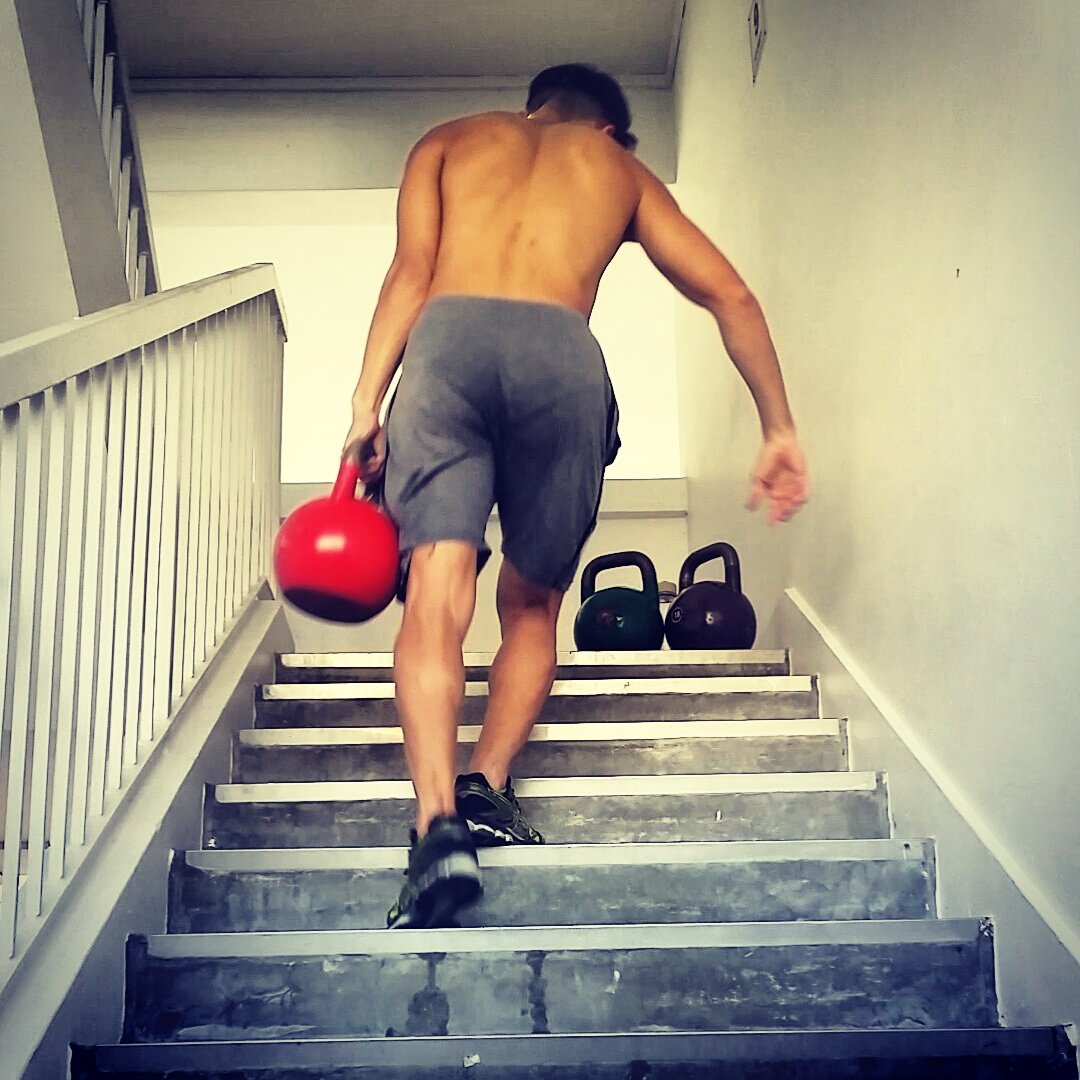
This is a favorite in our house: we keep a 26 lb kettlebell (mine) and a 40 lb kettlebell (my partner’s) at the top of our stairs. Every time we head down, we carry the kettlebell with us. When we come back up the stairs, it’s waiting at the bottom to carry back up the stairs. It’s a 1-sided Farmer’s Carry, one of the best functional strength exercises there is, and it hits your grip, core, legs, and posture. Over a week, those little trips add up to a surprising amount of strength work, with zero extra time. Start with a weight that feels easy and keep a hand free for the railing. Keep an eye on Confluence Coach’s IG and FB where I show you how we do it!
4. Take the stairs two at a time
Every time you climb a flight of stairs, at home, at work, or at the parking garage, take two steps at a time. The longer stride demands more from your glutes, quads, and core, and it raises your heart rate more than taking them one at a time. Do it often enough and it works like a free set of lunges. Keep it controlled and use the railing if you need it.

5. Turn waiting time into movement time
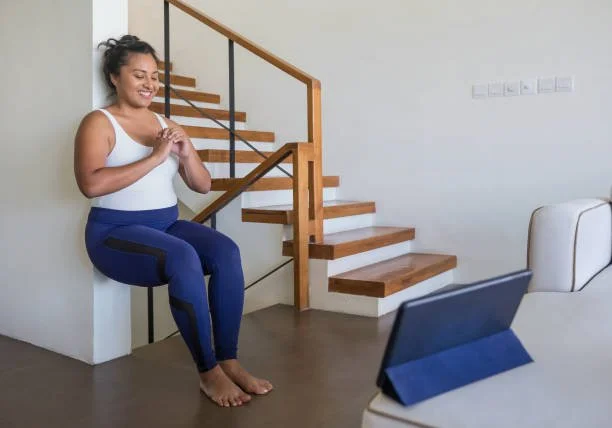
Look for the small pockets of dead time in your day: the coffee brewing, the microwave counting down, the call you’re on, the line at the store. Use them. While the coffee brews, do calf raises, hip hinges, or a 30-second wall sit. Take phone calls standing up or pacing, and make walking meetings your default when you can. If you find yourself waiting, ask: could I be moving right now? Usually the answer is yes.
Set Up Your Environment, Don’t Rely on Willpower
The secret to all five of these is that they’re built into your surroundings. The alarm goes off, so you don’t have to remember. The band is on your desk, so you don’t have to look for it. The kettlebell is at the top of the stairs, so you trip over the opportunity. Make movement the easy default and sitting the thing that takes effort.
Start with just one of these this week. Once it’s automatic, add another. A few minutes at a time, you’ll be moving far more than you ever could in a single hour at the gym.