Eat Your Way to Better Sleep
What if the secret to a better night's sleep was already in your kitchen?
New dietary research suggests that a few simple, strategic snacks eaten before bed can meaningfully improve sleep quality — no prescription required. Here's what I recommend and why it actually works.
🍒 THE TOP SLEEP-BOOSTING SNACKS
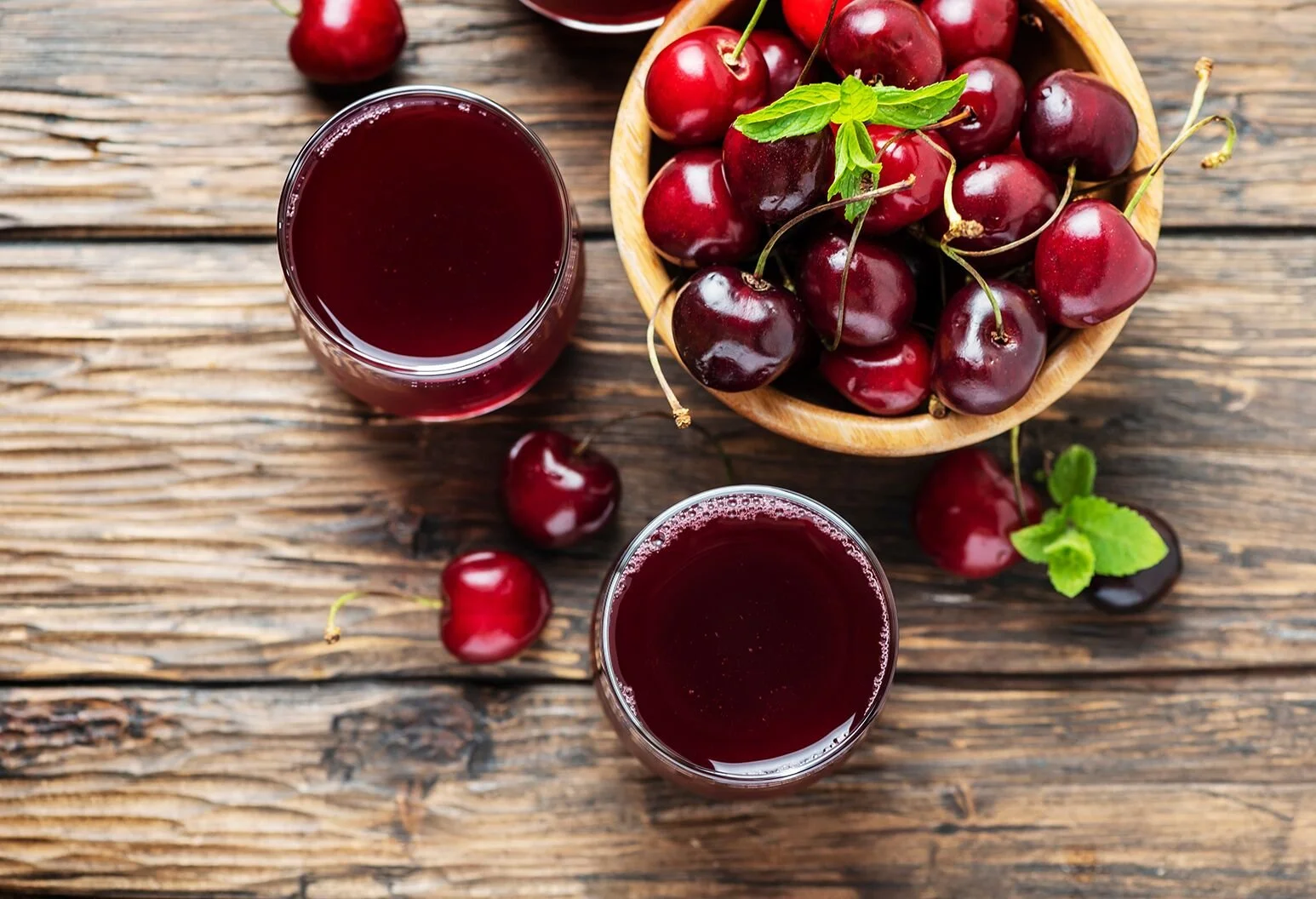
Tart Cherry Juice — Nature's melatonin supplement. Tart cherries contain the same sleep-regulating hormone melatonin that your brain produces naturally (but please do NOT take melatonin alone as a sleep aid!). Drink a small glass 1–2 hours before bed to help reduce insomnia symptoms.
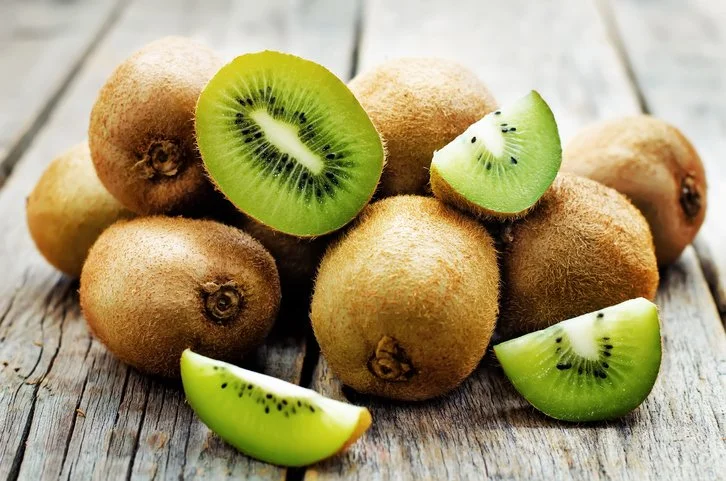
Kiwi Fruit — A 2023 study found that elite athletes who ate two kiwis before bed for four weeks experienced improved sleep quality and fewer nighttime wake-ups. Kiwis are serotonin-rich and low in calories (approximately 84 kcal for two fruits)
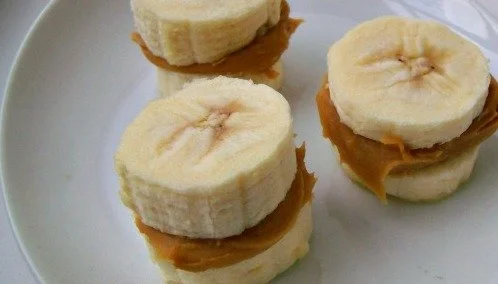
Banana + Almond Butter — A power pairing. Bananas deliver serotonin (which converts to melatonin), magnesium, and potassium for muscle relaxation and nervous system regulation. A tablespoon of UNSWEETENED nut butter delivers protein and healthy fats to slow digestion and prevent blood sugar changes that wake you at 3am. And one small banana with almond butter provides over 100mg of magnesium.
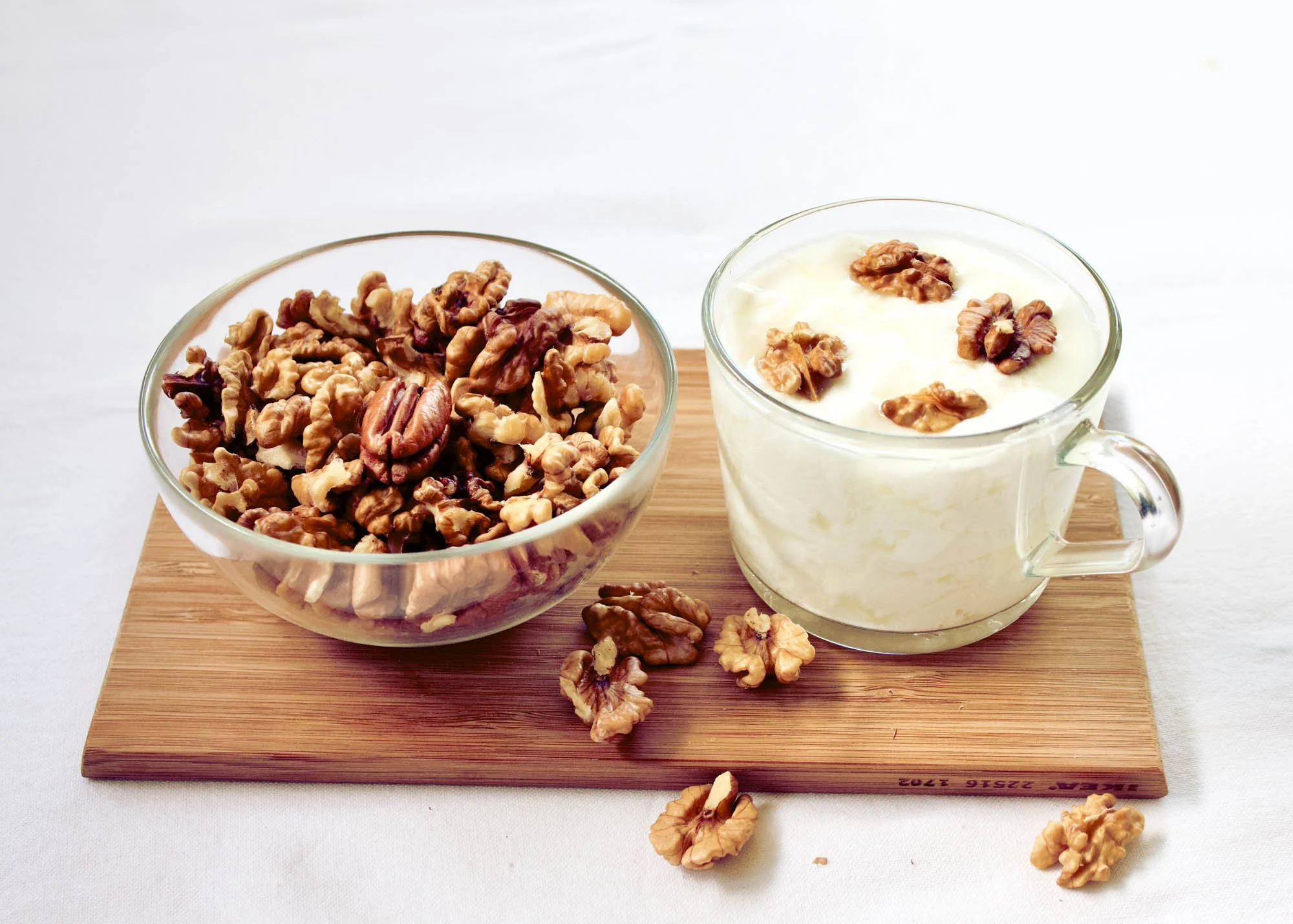
Greek Yogurt + Walnuts — Yogurt's calcium helps the brain use tryptophan for melatonin production, while walnuts add magnesium and omega-3s that support healthy sleep architecture.
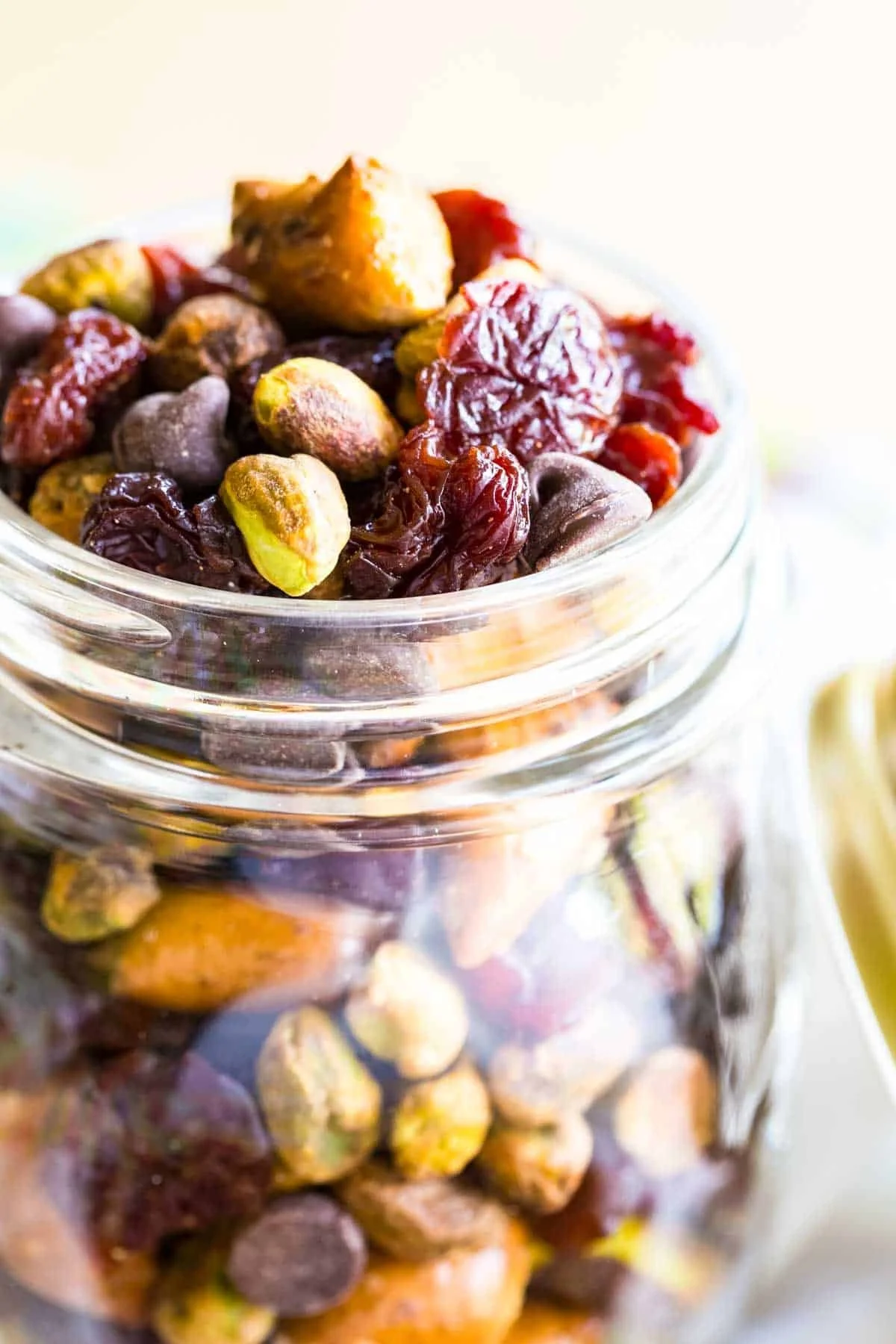
Pistachios + Dried Cherries — Both foods naturally contain melatonin, making this a double-dose combination. Pistachios provide additional protein and healthy fats to support overnight satiety.
🔬 WHY PAIRING MATTERS
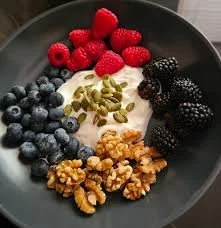
Here's the key insight: tryptophan (the amino acid that becomes melatonin) needs carbohydrates to cross the blood-brain barrier. Eating protein or seeds alone won't maximize sleep benefits. That's why pumpkin seeds + apple slices outperform pumpkin seeds alone — the carbs act as a delivery vehicle for the sleep-promoting nutrients.
⏰ TIMING IS EVERYTHING
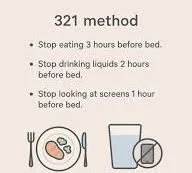
Aim to eat these snacks 2-3 hours before bed. This gives your body time to digest and ensures the sleep-promoting compounds are at peak availability right when you need them. Portions should remain modest to avoid gastrointestinal discomfort and excess caloric intake — these are snacks, not full meals.
💊 THE BIGGER PICTURE
As a scientist and nutrition expert, I see food-based sleep strategies as a meaningful alternative to pharmaceutical sleep aids — with no side effects, no dependency risk, and real biochemical logic behind them.
While individual responses vary and some research is still emerging, there's growing consensus that what you eat in the evening can directly influence how well you sleep. These dietary modifications represent a low-risk, accessible first-line strategy that I often suggest for my clients.
PRO TIP:
Next-line strategies are still plentiful, so contact me if you’re still having trouble sleeping after reaching for a banana!