Which are the Healthiest Nuts?
The Science-Backed Case for Nuts
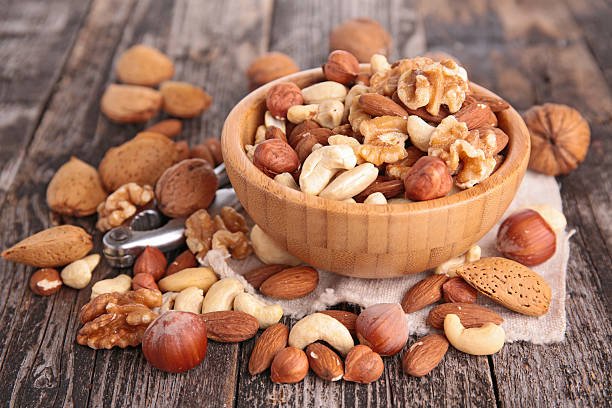
Nuts. They're portable, satisfying, and backed by a genuinely impressive body of research linking them to better heart health, sharper cognition, and lower inflammation. But not all nuts bring the same things to the table. Here's a science-based rundown of eight standouts, what makes each one special, and how to actually use this information in your day-to-day eating.
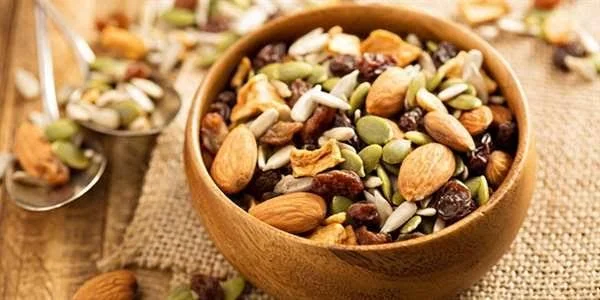
Why Nuts Deserve a Spot in Your Rotation
Before we get into individual nuts, it's worth understanding why this food group keeps showing up in nutrition research. Nuts pack fiber, plant-based protein, and unsaturated fats into a small, calorie-dense package that keeps you full longer than most snack foods.
That combination is part of why they're consistently associated with cardiovascular benefits, cognitive support, and reduced markers of inflammation and oxidative stress in the scientific literature.
The takeaway isn't that you need to eat all eight kinds featured below — it's that swapping processed snacks for a small handful of any of these on a regular basis is one of the simplest, most evidence-backed habits you can build.
The Lineup:
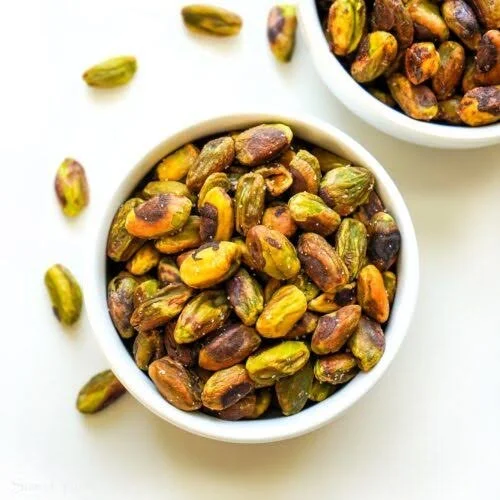
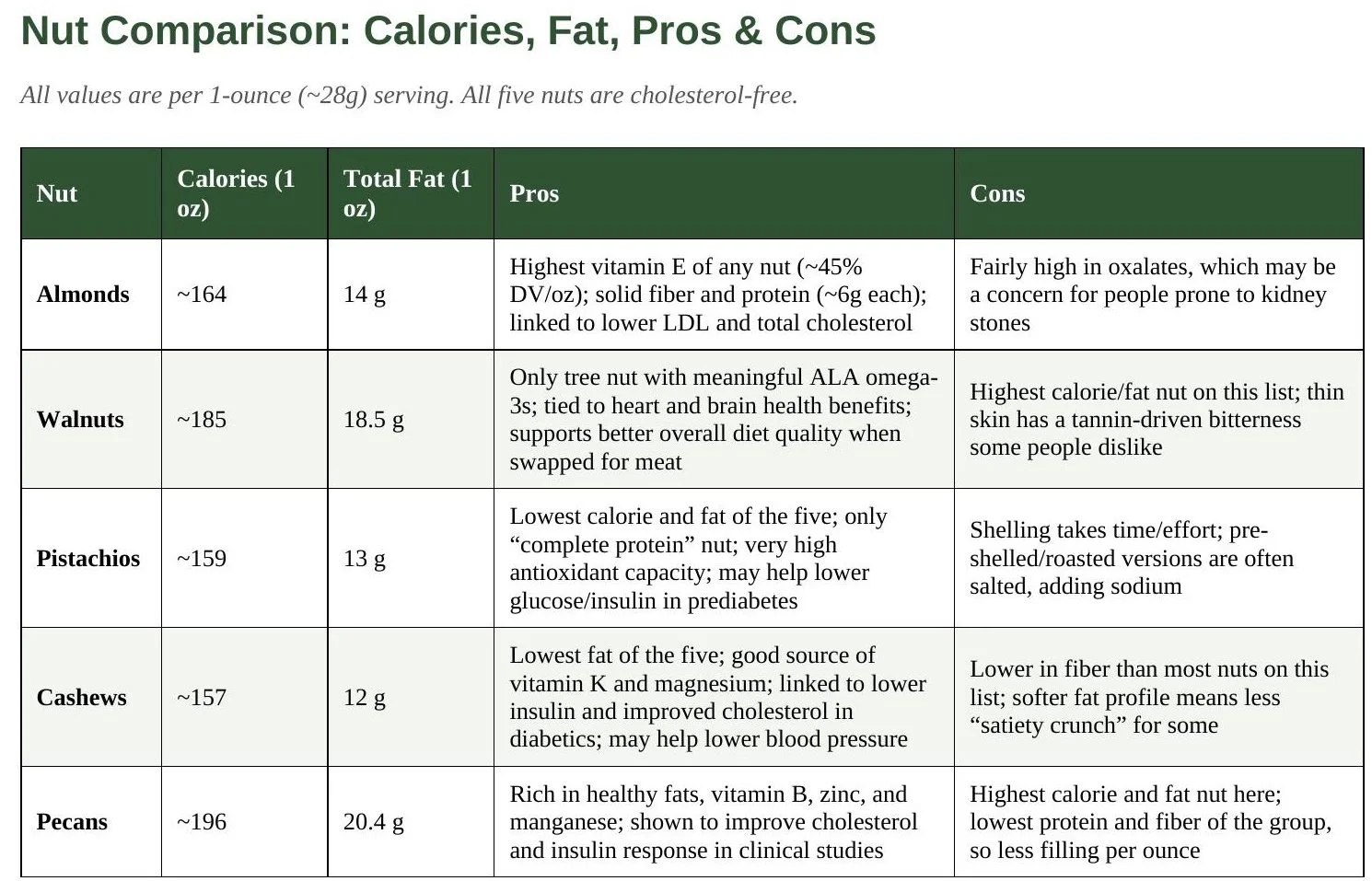
Pistachios stand out for a fairly unusual reason: they're the only nut considered a "complete protein," meaning they contain substantial amounts of all nine essential amino acids your body can't produce on its own. That makes them especially useful for anyone eating a plant-forward diet. Research has also found pistachios carry an unusually high antioxidant capacity — in some comparisons, rivaling foods like blueberries and pomegranates — and there's promising data suggesting they may help lower glucose and insulin levels in people with prediabetes.
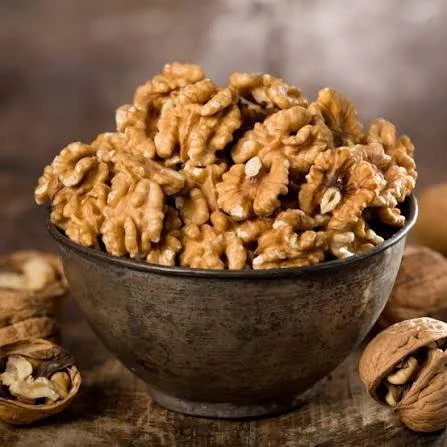
Walnuts are the only tree nut that delivers meaningful amounts of ALA, a plant-based omega-3 fatty acid tied to heart, brain, and eye health. Studies modeling what happens when people swap some of their meat intake for walnuts have found improvements in fiber, magnesium, and omega-3 intake, along with better overall diet quality. If you're looking for one nut to add to oatmeal, salads, or a snack bag, walnuts are a strong all-around pick.

Macadamia nuts don't get as much attention as almonds or walnuts, but the research on them is compelling. Several studies point to macadamia-rich eating patterns helping to lower total and LDL ("bad") cholesterol, particularly when they're used to replace foods high in saturated fat — a small swap with a real cardiovascular payoff.
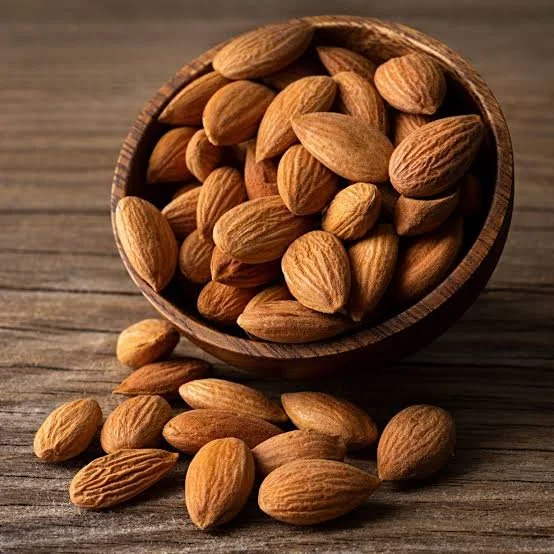
Almonds are the vitamin E champion of the nut world — a single ounce covers roughly 45% of your daily value. Vitamin E is a powerful antioxidant linked to better immune function, lower inflammation, and reduced risk of coronary heart disease. Regular almond eaters in clinical studies have also shown improvements in LDL and total cholesterol.
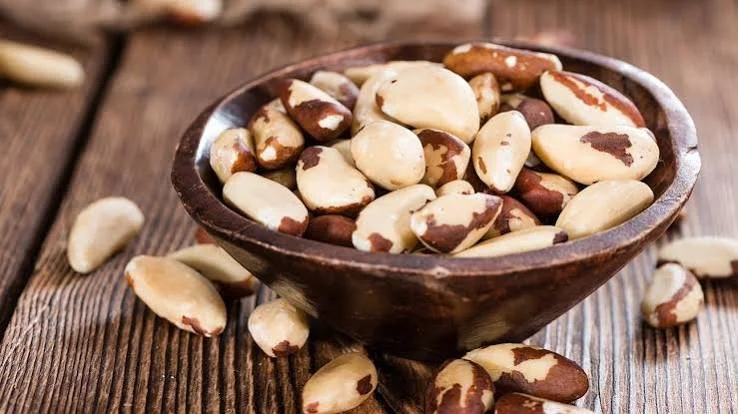
Brazil nuts are famous for one thing: selenium, and they deliver it in extraordinary amounts. A single Brazil nut contains close to 175% of your daily selenium needs. Selenium plays a role in thyroid function, antioxidant defense, and DNA synthesis, and has been linked to lower risk of certain cancers and cognitive decline. The catch is real, though — because the dose per nut is so concentrated, it's easy to eat too many. Regularly exceeding the upper limit of selenium intake has been associated with hair loss, digestive issues, and nerve problems, so this is one nut where "a few, not a fistful" is the right approach.
Cashews bring a milder flavor and softer texture, along with solid amounts of protein, vitamin K, and magnesium. Some research has specifically looked at cashews and type 2 diabetes, finding that a daily serving was associated with lower insulin levels and improved cholesterol in diabetic patients. A separate review also found a link between regular cashew consumption and lower blood pressure, though researchers note the evidence on broader heart-health effects is still developing.
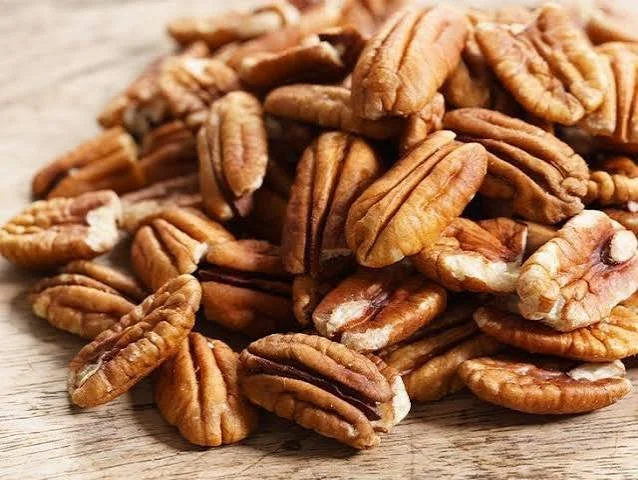
Pecans are lighter on protein and fiber compared to some nuts on this list, but they make up for it with healthy fats, B vitamins, zinc, and manganese. In one study, patients with coronary artery disease who ate pecans daily for three months saw improved cholesterol levels. Another trial found that a pecan-rich diet improved insulin response in adults with obesity — a meaningful marker for long-term cardiometabolic health.

Hazelnuts round out the list with a strong showing in vitamin E, manganese, and magnesium, plus healthy fats, protein, and fiber. They're also rich in antioxidant plant compounds tied to lower inflammation and oxidative stress. Clinical research has linked hazelnut-enriched diets to reduced LDL and total cholesterol in people who started out with high cholesterol.
How to Eat Nuts
You don't need to rotate through all eight nuts on this list to see a benefit — consistency matters more than variety. A simple, sustainable approach:
Portion size matters more than which nut you pick. Sticking to a 1-ounce serving (a small handful) or measuring out ¼ cup keeps well within a healthy snack range, especially when swapping nuts for chips or other highly-processed snacks.
Rotate two or three favorites based on what you enjoy and what fits your goals — walnuts or pistachios if heart and brain health are the priority, almonds or hazelnuts if you want an antioxidant boost, cashews or pecans if you're managing blood sugar.
Go easy on Brazil nuts — one to three a day is plenty given how concentrated their selenium content is.
Choose raw or dry-roasted, unsalted versions when possible, since added oils and salt can offset some of the benefits, especially if you're watching sodium or overall calorie intake. And steer clear of the ‘honey glazed’ and other sweet-coated versions.
Use them beyond snacking — stirred into yogurt, blended into nut butter, tossed on salads, or worked into a stir-fry are all easy ways to build them into meals without extra effort.
The Bottom Line
The research is consistent: nuts, as a category, are one of the more well-supported additions you can make to a healthy diet, with real evidence behind their role in heart health, brain function, and inflammation control. Each variety brings its own nutritional signature — pistachios for complete protein, walnuts for omega-3s, almonds for vitamin E, Brazil nuts for selenium (in moderation), and so on — so there's no single "best" nut, just the one that best matches what you're trying to support in your own health. Pick a couple you actually enjoy, keep the portions sensible, and let this be one of the easier wins in your week.
P.S. Though peanuts are technically legumes like peas and beans, they’re usually referred to as nuts due to their similar nutrition profile and characteristics.