Ronan Byrne, an electrical engineering student in Dublin, enjoyed watching Netflix — but he also knew he needed to exercise more. So he hacked his stationary bike, connected it to his laptop, and wrote a program that would allow Netflix to run only while he was pedaling. Slow down, and the show pauses. Speed up, and it plays again.
Byrne was, unknowingly, executing one of the most powerful behavioral strategies available: temptation bundling.
What is Temptation Bundling?
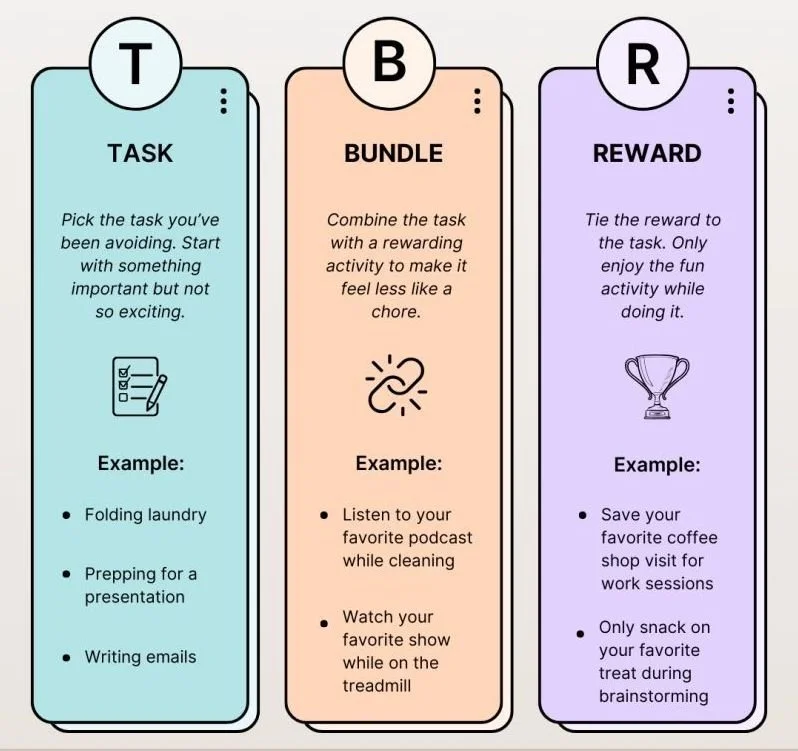
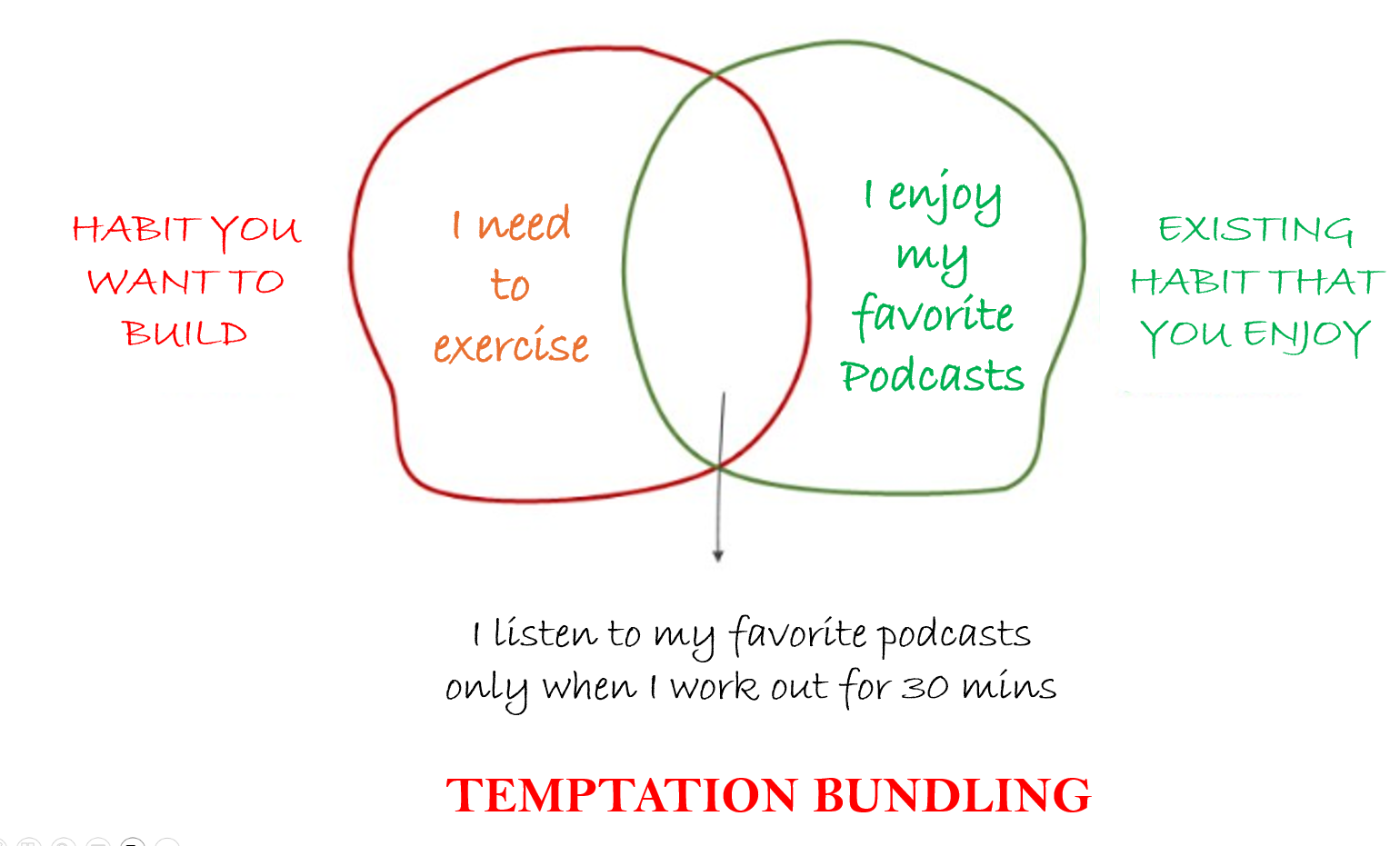
The premise is elegant. Link something you want to do with something you need to do. The pleasurable activity becomes the reward that pulls you into the difficult one.
"More probable behaviors will reinforce less probable behaviors."
— David Premack, Premack's Principle
Businesses have long understood this instinct. In 2014, ABC launched "TGIT on ABC" — bundling a Thursday night lineup with a ritual: make popcorn, pour a glass of red wine, and settle in. The network didn't just sell television; it sold an evening.
Over time, viewers began to associate 8 p.m. on Thursday with relaxation itself. The reward became fused with the cue. The habit became irresistible.
You can apply the same logic to your own life, whether that means reading gossip magazines only at the gym, getting a pedicure only while clearing your inbox, or watching your favorite show only while folding laundry.
Quick Examples
Audiobooks or podcasts you love, only while exercising
Favorite show, only while doing household chores
Pedicure, only while processing overdue emails
Favorite restaurant, only for your monthly difficult meeting
Social media, only after ten minutes of a hard task
"The tasks that are important are rarely urgent — and that is precisely why they go undone."
Build Your Own Temptation Bundle
The exercise is straightforward. Draw two columns. In the first, list your guilty pleasures — the things you genuinely look forward to. In the second, list the tasks you know you should be doing but keep putting off. Then match them.
The Habit Stacking + Temptation Bundling Formula
After [current habit], I will [habit I need].
After [habit I need], I will [habit I want].
1 - Morning Coffee Example
After I get my morning coffee, I will say one thing I'm grateful for. After I say one thing I'm grateful for, I will read the news.
2 - Sports & Sales Calls Example
After I return from lunch, I will call three potential clients. After I call three potential clients, I will check the sports scores.
3 - Social Media & Exercise Example
After I pick up my phone, I will do ten burpees. After I do ten burpees, I will check social media.
Why It Works
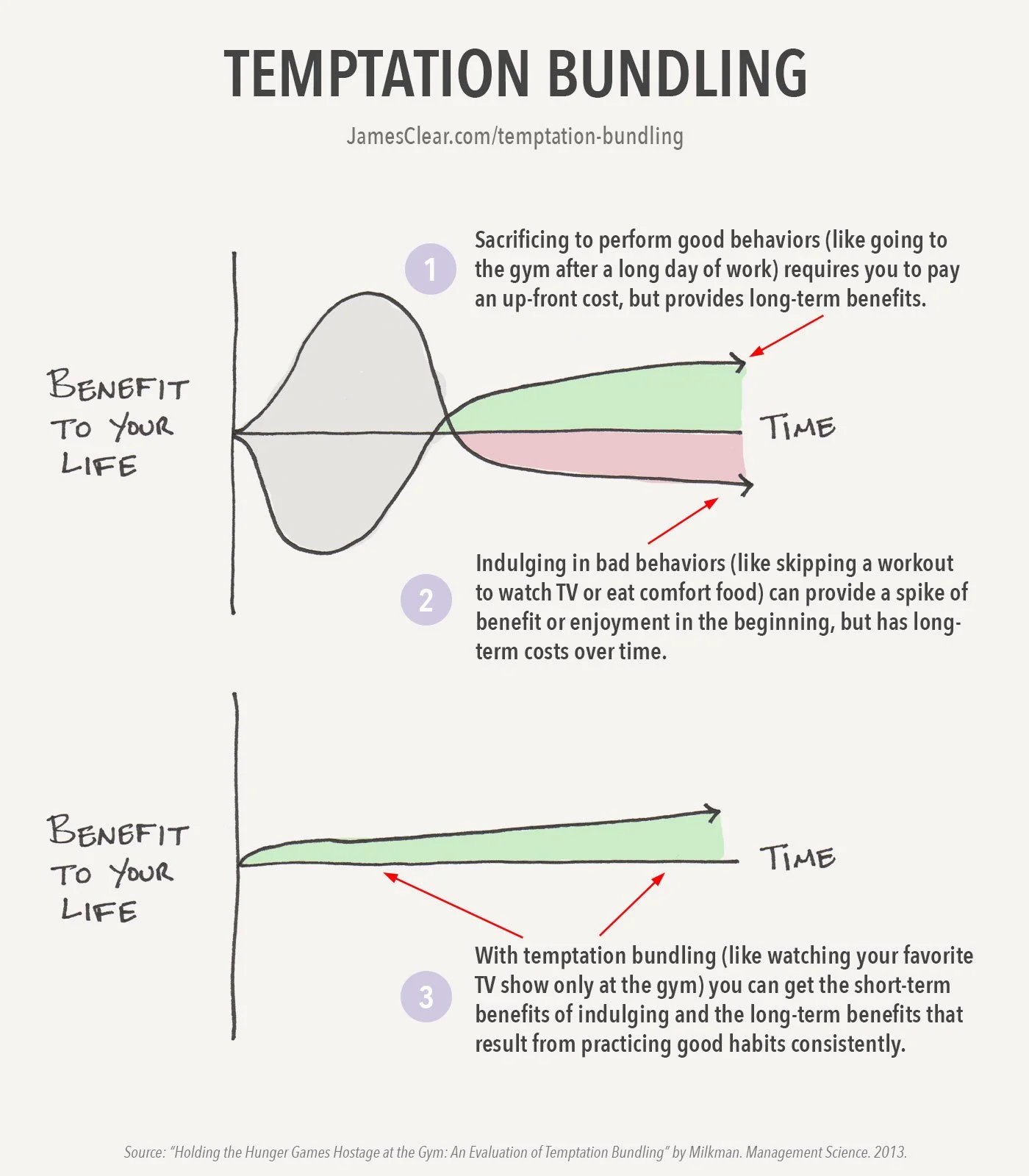
Eventually, you begin to look forward to the hard task — because it means you get to do the thing you love. The need becomes the gateway to the want.
The tasks that matter most — exercising consistently, practicing your craft, clearing the clutter — are almost never urgent on any given day. That is precisely why most people never do them. Temptation bundling solves this by making what's important feel irresistible.